Author: OHLCX Admin
-
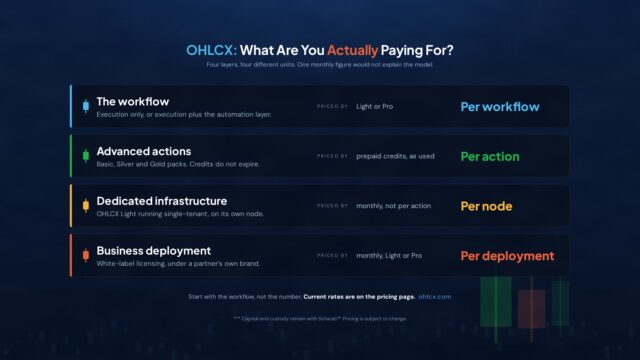
Trading Platform Pricing: What Are You Actually Paying For?
Two traders can use the same trading platform very differently. One may primarily need a better way to build orders, manage exits, and work with a connected brokerage account. Another may rely on automated strategies, signals, and market analysis throughout… Read more
-
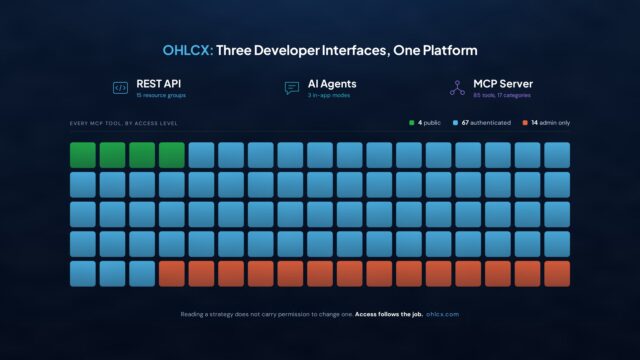
Trading APIs, AI Agents, and MCP: Which Integration Fits the Job?
Developers rarely need access to a platform simply for the sake of having access. They need a clean way to do a specific job. A fintech application may need predictable JSON and direct access to defined resources. A trader-facing assistant… Read more
-
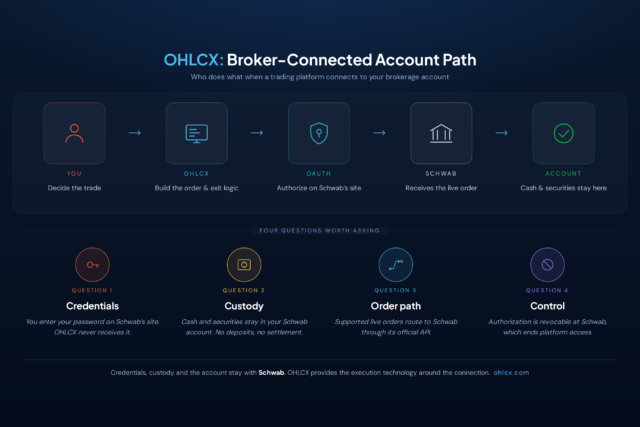
Broker-Connected Trading: What Traders Should Know Before Linking an Account
A trading platform can give a trader more control over orders, exits, automation, and account visibility without becoming the broker that holds the account. When another platform connects to a brokerage account, though, the interface can make the relationship feel… Read more
-
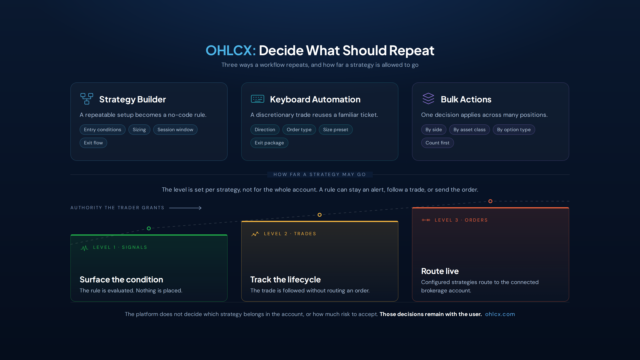
Trading Automation: Decide What Should Repeat
Active traders repeat more of their workflow than they may realize. Position size, order type, trading window, exit structure, and even the way an order ticket is built often follow familiar patterns. Other decisions depend on what is happening in… Read more
-
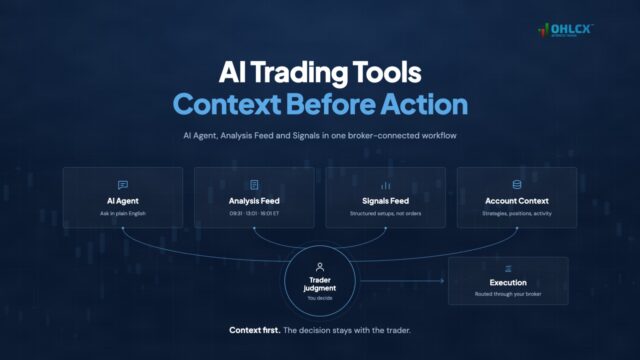
AI Trading Tools: Context Before Action
Active traders do not need another source of generic market commentary. They already have charts, news, scanners, alerts, watchlists, social feeds, and more opinions than they could reasonably process during a trading session. Adding AI to that mix only helps… Read more
-
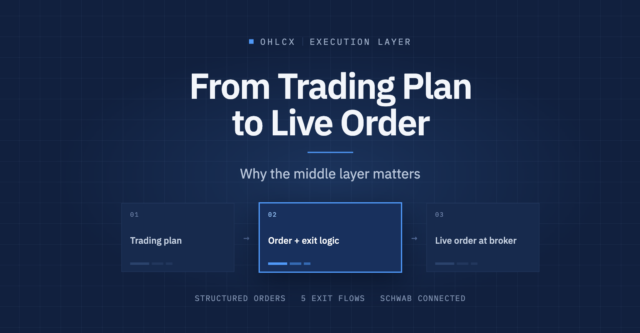
From Trading Plan to Live Order: Why the Middle Layer Matters
A trader can have a clear setup and still lose pieces of the plan on the way to the broker. The idea gets reviewed in one place. Position size is checked somewhere else. The order is built at the broker.… Read more
-
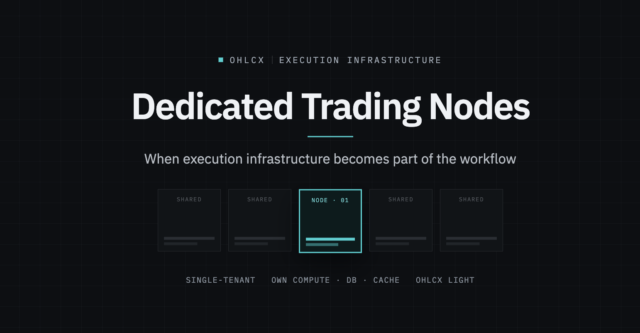
Dedicated Trading Nodes: When Execution Infrastructure Becomes Part of the Workflow
Execution is not only the order a trader sends. It is also the environment that order moves through before, during, and after it reaches the broker. For active traders, that environment matters. The order ticket, account connection, market data, position… Read more
-
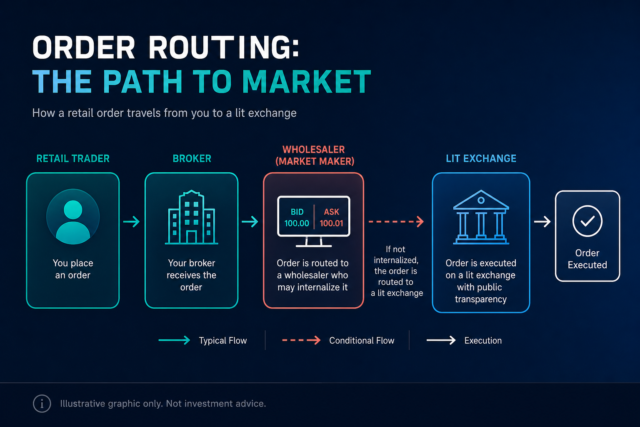
Dark Pools and Retail Routes: What You Can and Cannot Control
Focus on controllable execution—size, limits, time-in-force, and slippage logs—while treating dark pools and retail routes with measured engineering realism. Read more
-
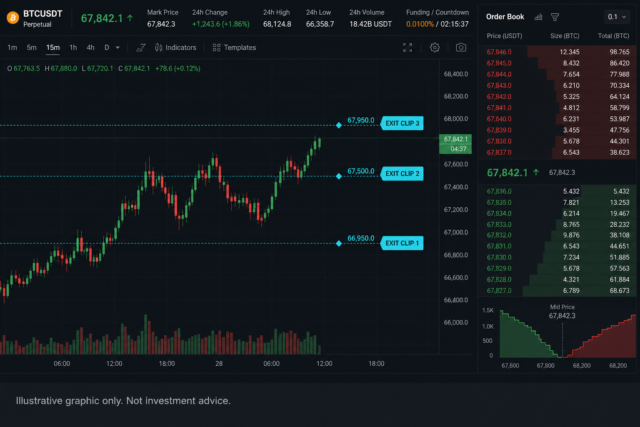
Liquidity Maps: Build the Exit Around the Price Band
Read depth and spreads before exit clips—map liquidity terrain, respect correlated clusters, and journal realized fills instead of hypothetical tops. Read more
-
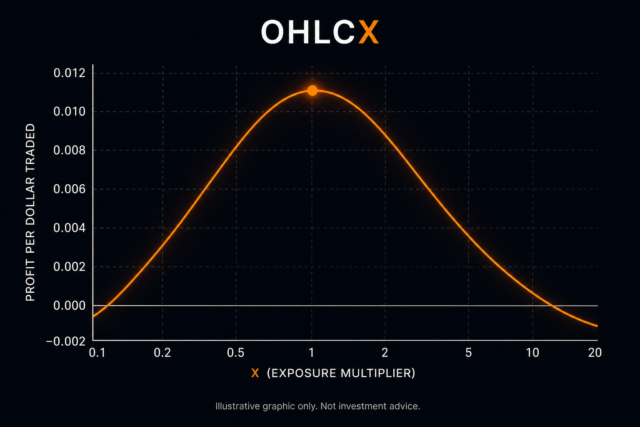
Capacity and Exposure: Where a Trading Edge Starts to Thin
Track strategy capacity with participation, slippage, and borrow ceilings—stair-step size with rules so scaling preserves honest playbook assumptions. Read more