Author: OHLCX Admin
-
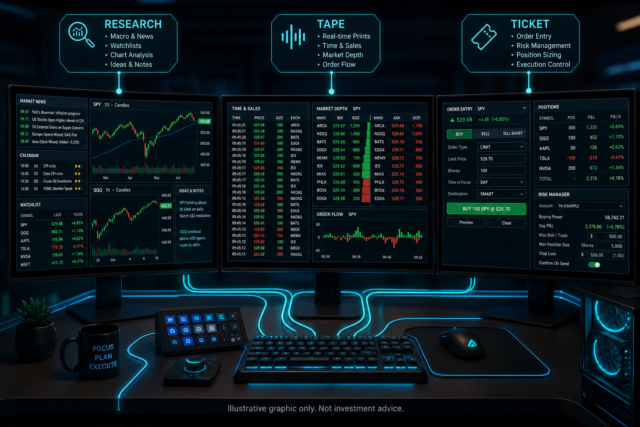
Multi-Monitor Trading Setups: Give Every Screen One Job
Organize multimonitor layouts—isolate fragile tickets, assign roles, and cut clutter—to protect OCO bracket integrity during volatile live execution. Read more
-
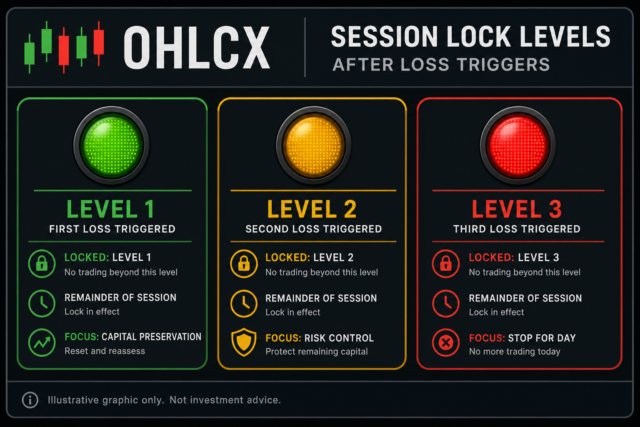
Revenge Trading: System Triggers That Force a Cooling-Off Rule
Stop revenge trading with measurable cooling-off triggers—daily loss limits, ticket violations, and re-entry checklists that gate fresh risk responsibly. Read more
-
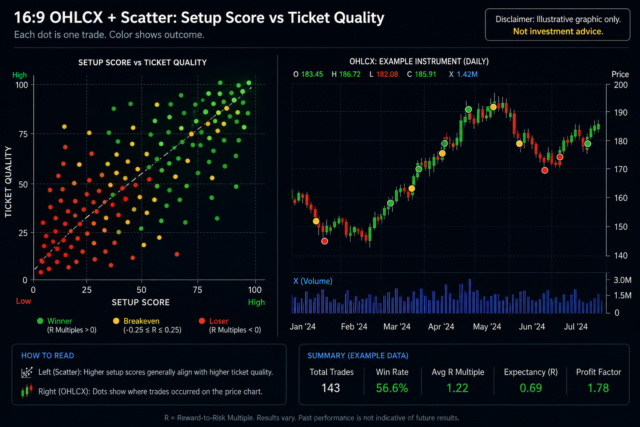
“Setup Quality” Versus “Ticket Quality”: Splitting the Scorecard
Score setups and tickets separately—great charts can hide sloppy orders; split rubrics show whether to fix signals, execution, or both without ego noise. Read more
-
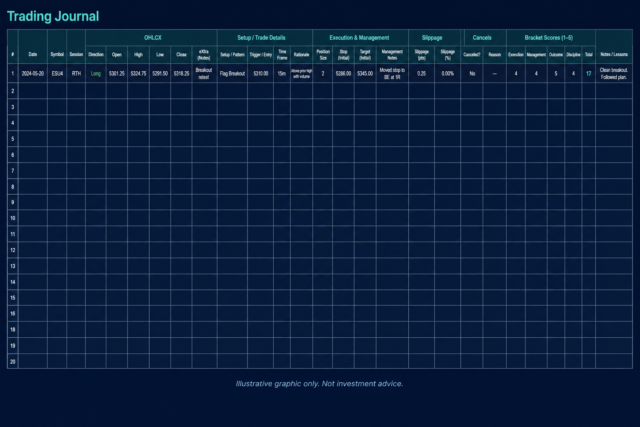
Journal Metrics That Tie P&L to Process, Not Vibes
Log slippage, rule adherence, heat, and mistake tags—not just feelings—so journals tie P&L to process and improve tickets, not ego narratives. Read more
-
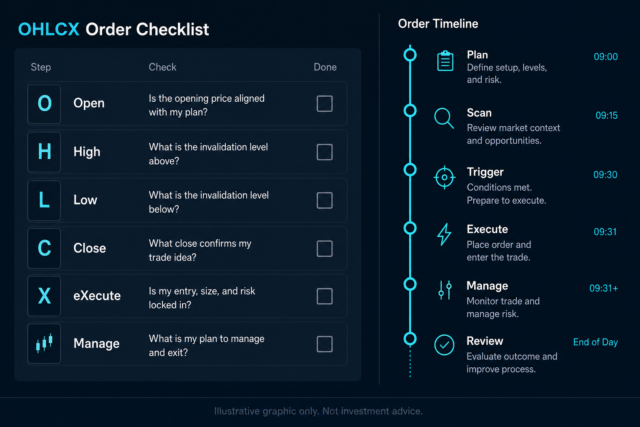
Post-Trade Review: Turn Fills Into Execution Rules
Make post-trade reviews produce rule diffs and playbook updates—split setup versus ticket quality, time-box, log actions, version automation honestly. Read more
-
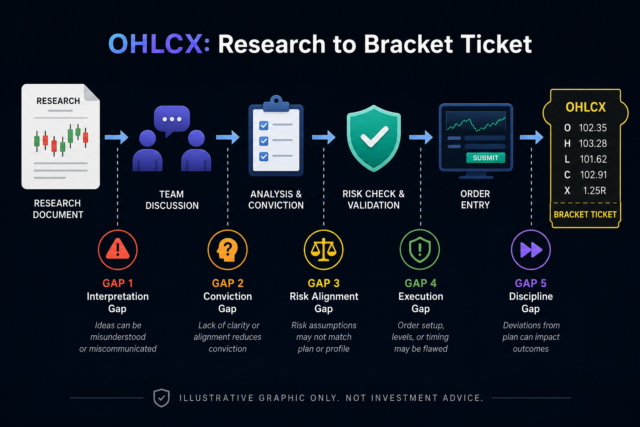
When Good Research Produces Bad Trades: Execution Gaps
Great ideas lose when tickets ignore invalidation, heat, and slippage—audit research-to-order mapping before retiring strategies or piling indicators. Read more
-
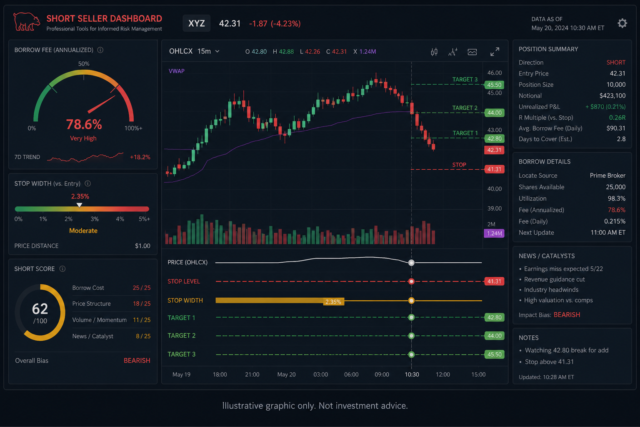
Multi-Leg Fills: Why Process Matters Before Execution
Multi-leg spreads fail via leg risk and partial fills. Automate repeatable structures, refresh templates after regimes, reserve manual legging wisely. Read more
-

Short Selling Workflow: Borrow, Locate, and Cover Urgency
Short workflow: verify borrow/locate, size for squeeze and halts, plan exit urgency before selling. Heat and structured tickets reduce surprise buy-ins. Read more
-
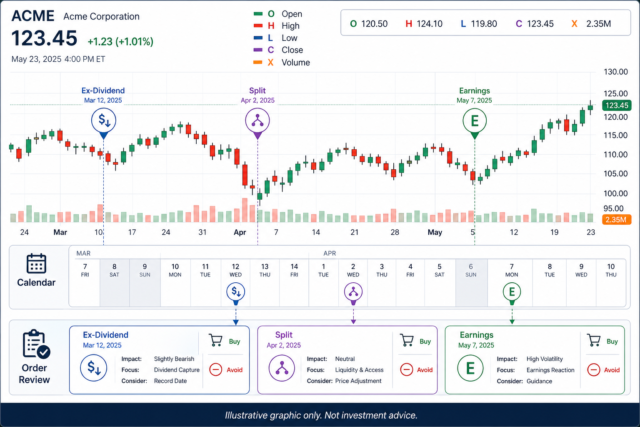
Dividends, Splits, and Corporate Actions: Keep Exits Aligned
Plan trades around dividends, splits, spin-offs: reconcile positions, refresh brackets, adjust shorts and options—corporate actions affect execution reality. Read more
-
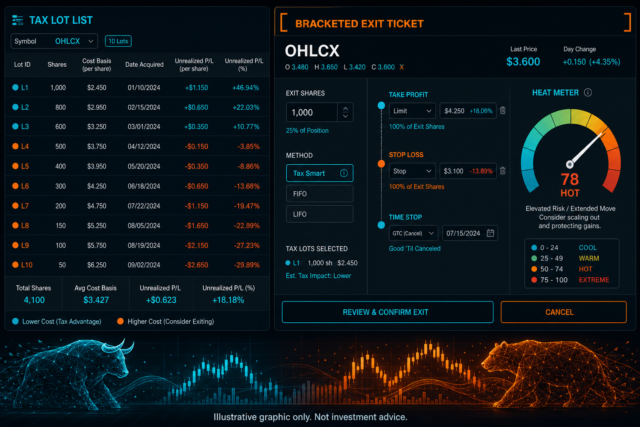
Tax-Lot Awareness: Do Not Let Taxes Rewrite the Exit
Keep tax-lot tactics subordinate to invalidation and heat—verify disposal defaults, journal lot methods, never let basis veto a broken thesis or crowded book. Read more