Verticals, calendars, iron condors, and stock-plus-option hedges all depend on the same basic condition: the structure only works if the legs are entered and managed on terms close to what the trader modeled.
That is where multi-leg execution can break down. A trader may have the right thesis, the right expiration, and the right spread width, but still create a poor trade if one leg fills cleanly while another moves away. A net debit or credit that looked acceptable on the screen can change quickly when spreads widen, implied volatility shifts, or the underlying stock moves before the full structure is complete.
Manual legging gives the trader discretion, but it also adds process risk. Each click introduces timing, sequence, price, and attention risk. A structured workflow, saved template, or rule-based process does not guarantee a better fill. It helps reduce the number of decisions being made from scratch while the quote is moving.
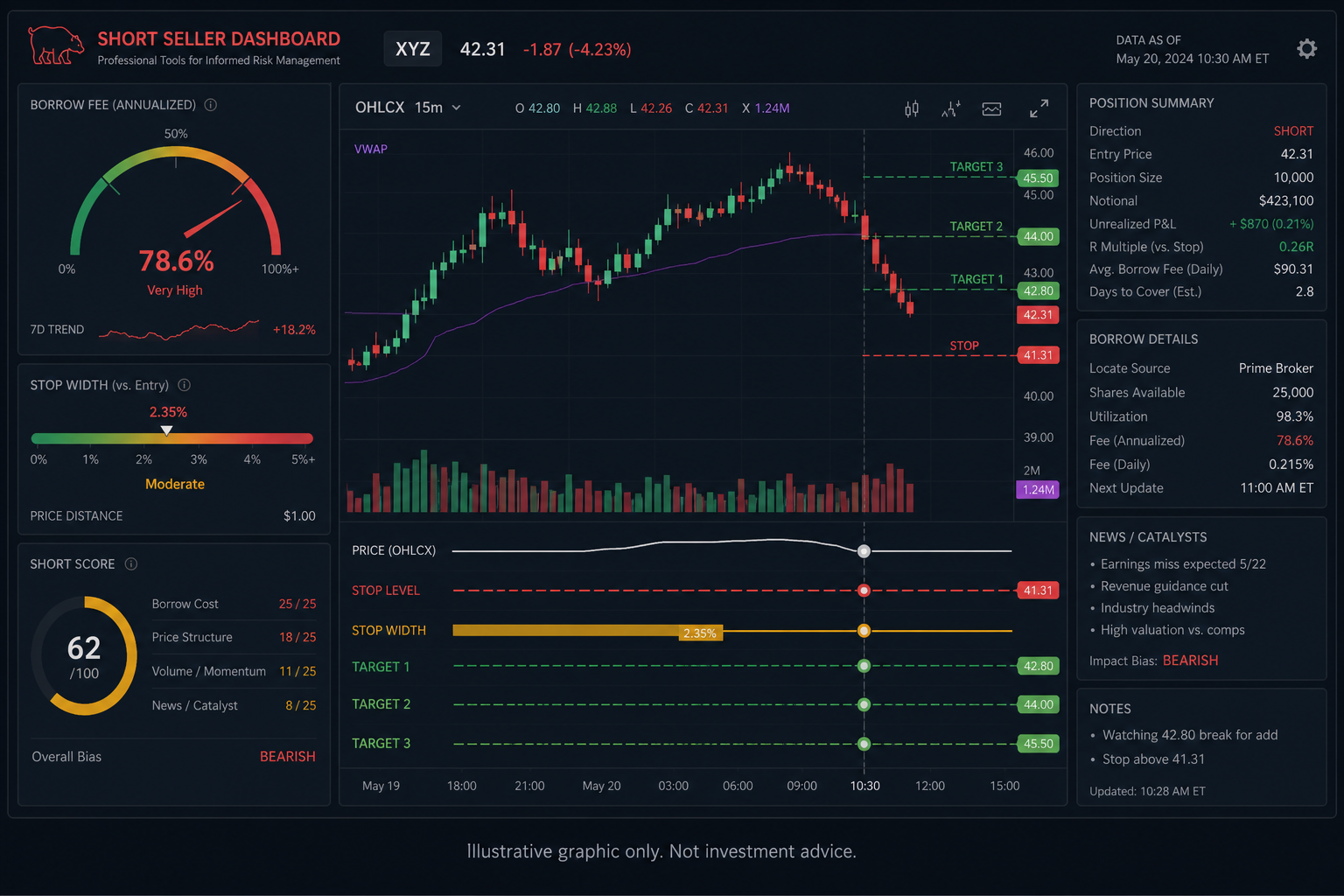
OHLCX supports this kind of execution discipline through structured order entry, Asset Detail context, options data and Greeks, Risk Gauge visibility, Strategy Builder, order history, and a Schwab-connected workflow. The platform does not make a bad spread good or guarantee that every leg fills as expected. It can help traders keep the intended structure, risk, and review process closer to the live order workflow.
Why do multi-leg trades fail differently?
A single equity order has one main execution path: buy or sell the stock at an acceptable price. A multi-leg options trade has several parts that need to work together.
In a vertical spread, the trader may be buying one option and selling another at a different strike. In a calendar, the same strike may be spread across different expirations. In an iron condor, four legs define the risk and reward profile. In a stock-plus-option hedge, the stock and option legs need to maintain a relationship that can change as price, volatility, and time change.
The issue is not only whether each leg can fill. It is whether the whole structure fills at a net price and exposure profile the trader actually intended.
If one leg fills and another does not, the trader may temporarily hold a position with different delta, margin impact, volatility exposure, or loss profile than planned. If the trader chases the remaining leg, the completed structure may no longer match the original edge.
That is leg risk, and it is one of the main reasons multi-leg workflows need more structure than a series of improvised clicks.
Where manual legging creates process risk
Manual legging can be useful when the trader has a clear reason to work each leg separately. It becomes risky when the trader is simply trying to improve the price without measuring the variance that legging introduces.
A trader may sell one option to finance another, only to watch the long leg move away. They may enter a hedge after the stock leg already filled and the underlying moved. They may adjust a limit several times and end up accepting a worse net price than the original combined order would have required.
The problem is not that manual execution is always wrong. The problem is that the trader may remember the calm fills and forget the stressful ones where the incomplete structure created more risk than the small price improvement was worth.
Manual legging also creates ordinary operational risk. The trader can select the wrong strike, wrong expiration, wrong quantity, or wrong side. Those errors are easier to make late in the session, during a fast market, or after several similar tickets have already been built.
Process risk is not dramatic until it becomes expensive.
When does automation help?
Automation helps most when the trade structure repeats. If the trader regularly uses similar vertical widths, defined hedge ratios, recurring rolls, or time-based exits, a structured workflow can reduce variation in how the order is built and reviewed. The value is not that automation knows the market better than the trader. The value is that it applies the trader’s policy the same way each time.
A repeatable workflow can define acceptable net debit or credit, maximum spread width, entry window, position size, expiry timing, and what should happen if the order does not fill within a defined range. Those rules help prevent the trader from rebuilding the same decision under pressure every time.
Strategy Builder can support recurring setups where the conditions are clear and the trader wants less manual variation in the workflow. The trader still has to decide whether the current market supports the strategy, whether liquidity is sufficient, and whether the selected contracts belong in the account.
Automation earns its place when it reduces preventable process drift. It should not be used to scale a rule the trader has not tested or no longer understands.
When should discretion stay in charge?
Not every multi-leg trade belongs in a template.
Some trades depend on a specific volatility view, catalyst setup, skew relationship, or changing market condition that cannot be reduced to a standard structure without losing the point of the trade. In those cases, manual review may be more important than speed.
Discretion also matters when quoted liquidity is misleading. A spread may look attractive at the midpoint, but the actual tradable price may be worse. A thin contract may show a quote that disappears when size is entered. A multi-leg order may sit unfilled because the requested net price is not available, while the market continues moving.
The right answer is not full automation or full manual control. The right answer is to decide which parts of the workflow are repeatable and which parts require live judgment.
A trader might use a saved template for structure and naming while still manually reviewing strikes, expirations, implied volatility, bid-ask width, and event risk before submission.
What should a multi-leg template define?
A useful template should freeze the policy, not the trader’s judgment.
Before using a repeatable spread or hedge workflow, the trader should define:
- The strategy type and intended structure
- The acceptable net debit or credit
- The maximum bid-ask width or price drift allowed before canceling
- The strikes, expirations, and ratios that are editable versus fixed
- The time window when the order is allowed to work
- The action to take if only part of the intended exposure exists
- The conditions that require manual review before another order is sent
- The post-fill check for Greeks, margin impact, and portfolio heat
That last point matters because the risk does not end when the order fills. A completed spread still needs to be checked against the account. An incomplete spread needs even more attention because the trader may be carrying exposure that was never intended to stand alone.
OHLCX order history and structured order views can help the trader review what was submitted, what filled, and what remains active. That record matters when the question becomes whether the strategy failed or the execution process failed.
How should traders think about net price?
For multi-leg trades, the net price is often more important than the price of any one leg.
A vertical spread may be acceptable at a certain debit but unattractive a few cents higher. A credit spread may only make sense if the credit compensates for the defined risk. A hedge may require a specific cost to justify reducing upside or adding protection.
The trader should decide the acceptable net price before submission. If the market does not offer that price, the answer may be to wait, reprice within a defined band, choose a different structure, or skip the trade.
Chasing individual legs can hide the real decision. The trader may feel active while the net economics deteriorate.
OHLCX’s Asset Detail context, options data, Greeks, and order ticket can help keep the contract and underlying context closer together. The trader still needs to decide whether the net price is worth accepting.
How should partial states be handled?
A partial or incomplete multi-leg position should be treated as a real position, not as a clerical inconvenience.
If one leg of a structure exists without the others, the account may carry more directional exposure, volatility exposure, or assignment risk than intended. If a stock hedge fills without the related option adjustment, the trader may have a temporary imbalance. If a protective leg is removed but the sibling order remains active, the position may no longer match the playbook.
The workflow should define what happens when the structure is not complete. Does the trader flatten the partial state, re-enter the missing leg within a narrow band, or pause and review manually? That decision should not be made for the first time after the market has already moved.
Risk Gauge visibility can help when an incomplete structure changes total account exposure. A partial state may look small as an order issue but meaningful as a portfolio exposure issue.
How do stock hedges and options legs interact?
Stock-plus-option hedges need special care because the hedge relationship can change after the order is placed.
A trader may hold stock and use options to define downside, cap upside, or adjust exposure around a catalyst. If the stock position is trimmed, the option hedge may no longer fit the remaining shares. If implied volatility changes, the option’s behavior may diverge from what the trader expected from the stock chart alone.
TRIM or TRIMMER-style stock exits can be useful, but they should not be applied mechanically without checking the hedge relationship. Reducing the stock leg while leaving the same option structure in place may create a new exposure profile.
The rebalance rule should be clear. It may reference delta, stock quantity, price level, time remaining, or a change in the original thesis. What matters is that the trader knows when the hedge needs to be reviewed instead of assuming the original structure still fits.
What can go wrong with automation?
Automation reduces some risks and introduces others.
Manual legging concentrates risk in timing, attention, and sequence. Automation concentrates risk in stale settings, poorly written rules, and overconfidence. A template that worked in a calm volatility regime may be too loose or too tight when spreads widen. A workflow built for one expiration cycle may not fit a catalyst-heavy week.
That is why automated workflows need review points. The trader should know when to pause a template, when to revise acceptable price bands, and when to route the setup to manual review.
During fast macro releases, earnings windows, or unusual volatility, a deterministic workflow can submit orders into conditions it was not designed to handle. A deliberate pause can be more disciplined than letting an old template operate in a new market.
OHLCX automation is optional and rule-based. The trader defines the rules and remains responsible for whether the workflow still fits the current market.
How should multi-leg execution be reviewed?
The review should measure the live fill, not the screenshot of the midpoint.
For each multi-leg trade, the trader should compare the intended net price with the actual net price, note any partial fills or incomplete states, and review how the Greeks, margin impact, and portfolio exposure changed after execution. If manual legging was used, the review should record whether the price improvement was worth the added variance.
That review can be simple. Over a month of similar trades, the trader can compare completed combined orders with manual legging attempts under similar volatility and liquidity conditions. If manual legging only looks better in a few memorable calm-market examples, the process may not be as strong as the trader thinks.
Order history and timestamps matter here. They make it easier to reconstruct whether the edge was lost through market movement, spread width, partial completion, or an avoidable workflow error.
Standardize the repeatable, review the exceptional
Multi-leg trades punish improvisation because the edge depends on several pieces working together.
The goal is not to automate every spread or remove discretion from options trading. The goal is to standardize the parts that repeat: structure, acceptable net price, time window, abort rules, post-fill checks, and review process. Manual judgment should remain focused on the parts that actually require judgment: contract selection, volatility context, catalyst risk, and whether the current market supports the setup.
OHLCX supports that execution-first workflow through Asset Detail context, options data and Greeks, structured order entry, Risk Gauge visibility, Strategy Builder, order history, and Schwab-connected account integration.
Explore OHLCX to see how structured workflows can support repeatable multi-leg review. A spread is not fully protected by the idea behind it. It is protected by the discipline of making sure the legs, net price, and remaining exposure still match the plan after the order goes live.
Leave a Reply