Author: OHLCX Admin
-
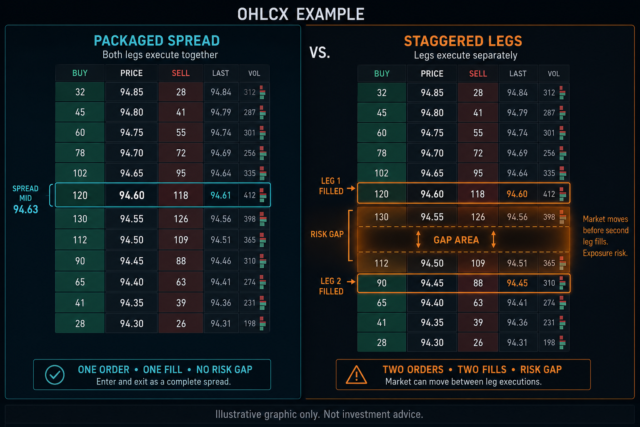
Options vs. Equities: Why Execution Risk Is Different
Options execution differs from equities: leg risk, gamma, skew, and spread width. Ticket honestly, automate repeats, bracket real failure modes. Read more
-
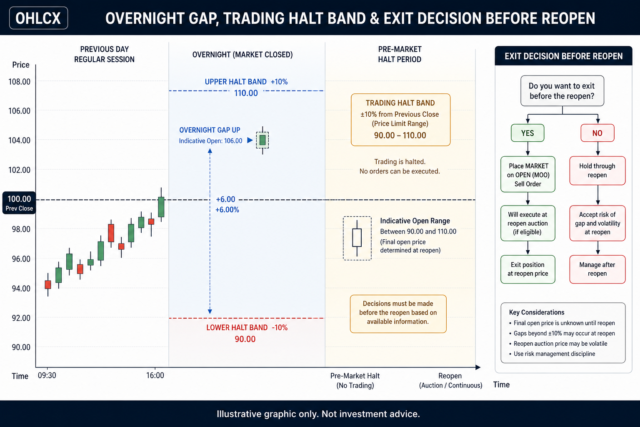
Gaps and Trading Halts: Plan the Exit Before the Reopen
Pre-plan exits for gaps and halts: invalidation bands, staged trims, OCO logic, depth-aware tickets, and portfolio heat before tape surprises. Read more
-
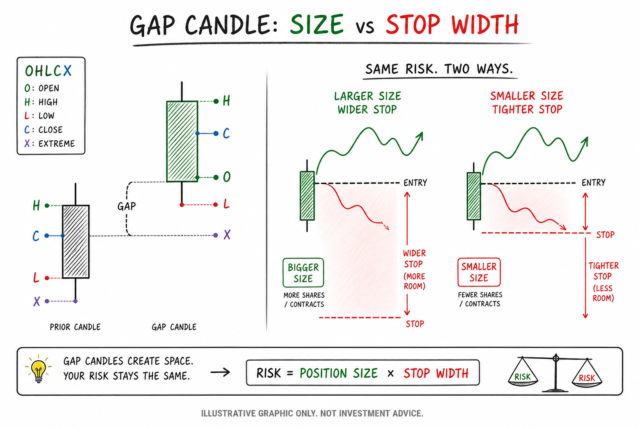
Earnings Risk: Shrink Size or Widen the Stop?
Earnings spike gap risk—pick size versus width deliberately, verify brackets after prints, cap correlated report-week names so themes do not pile blindly. Read more
-
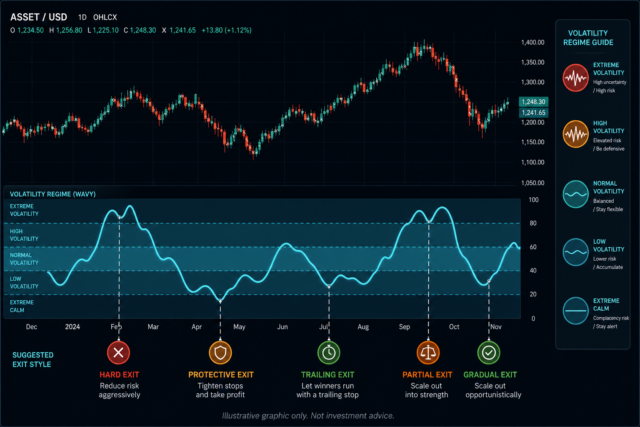
Volatility Regimes: How Exit Logic Should Adapt
Volatility regimes steer exits—resize before blind widening, tune trails from sampled adverse excursion, slow automation when connectivity frays intraday. Read more
-
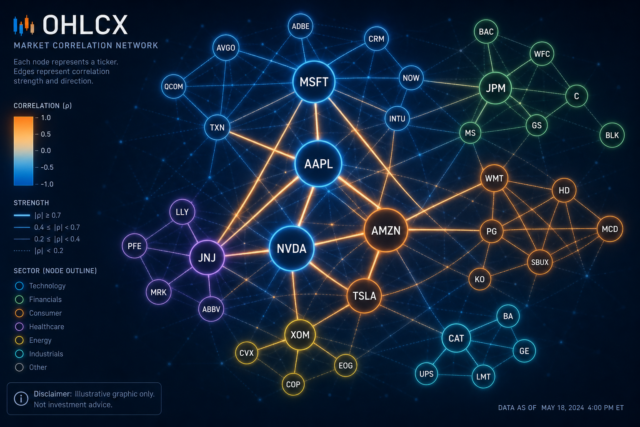
Correlation Clusters: How a “Risk-On” Book Amplifies Drawdowns
Correlation clusters amplify drawdowns when themes align—tag factors, cap overlap, stagger exits when liquidity thins, and stop synchrony as a portfolio event. Read more
-
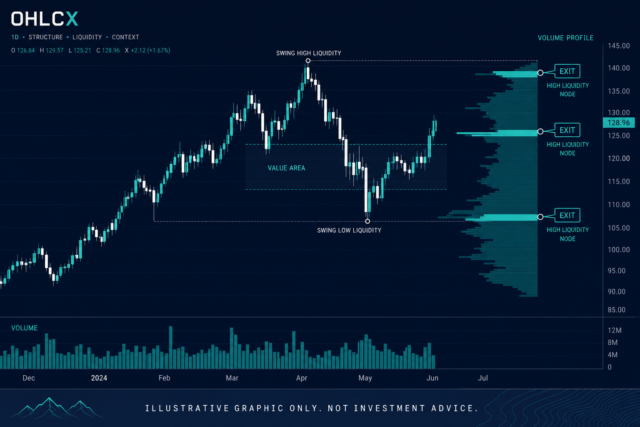
Scaling Out: Liquidity Paths That Protect the Exit
Scale out with liquidity-aware clips—match urgency to depth, update remainders after partials, and avoid synchronized correlated dumps that spike slippage. Read more
-
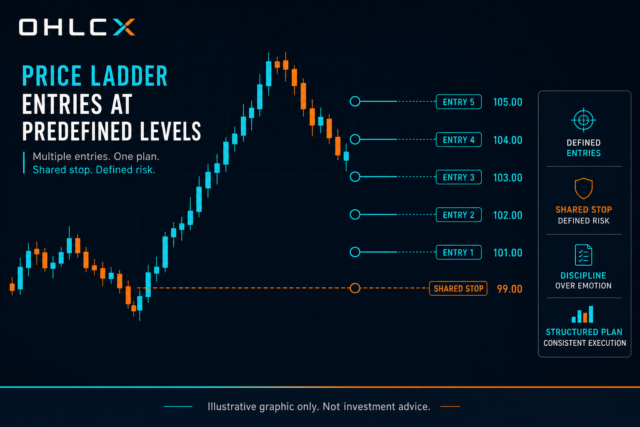
Scaling In: Rules That Survive a Bad First Tick
Scale in with written ladders—cap adds, set spacing, abort before pain, verify partials refresh protection, halt on predicate hits rather than prideful debate. Read more
-
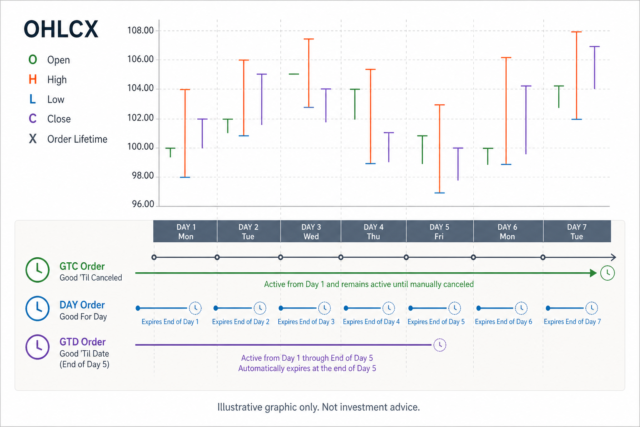
Time-in-Force Choices: How Stale Orders Create Residual Risk
Match TIF to thesis half-life to prevent ghost orders—audit resting exposure after reconnects, automation bursts, and partials before macro-heavy trading weeks. Read more
-

Market Orders Versus Limits: Choosing the Right Priority in Fast Markets
Choose market versus limit orders from completion priority, depth, and authored TIF rules—then journal outcomes to stop style from becoming reflexive habit. Read more
-
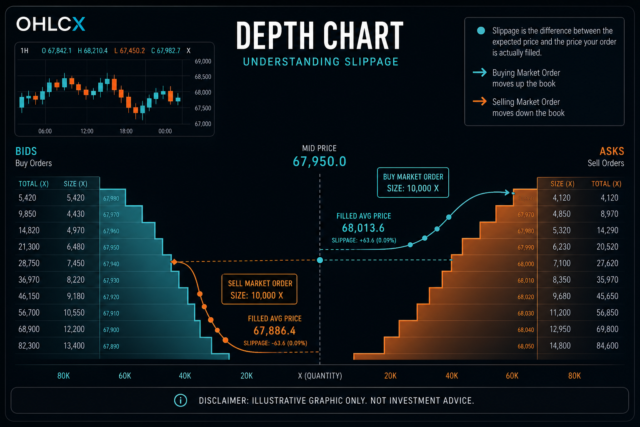
Slippage and Partial Fills: Planning for Reality, Not the Ideal
Plan trades for slippage and partial fills—sample execution shortfalls by context, verify bracket remainders, and separate price gaps from emotional slippage. Read more