Author: OHLCX Admin
-
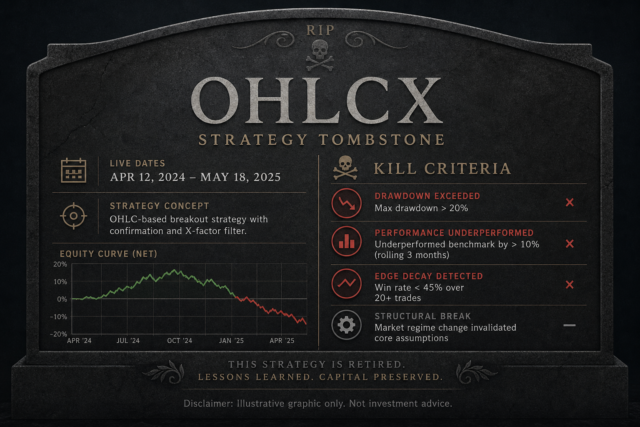
When a Trading Strategy Stops Working: Pause, Revise, or Retire
Retire strategies when slippage, forward windows, and borrow fail kill tests—pause, archive playbooks with metrics, redeploy capital without nostalgia. Read more
-
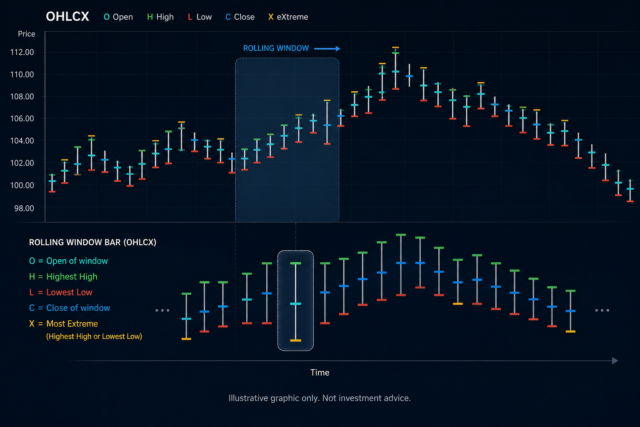
Walk-Forward Testing: Freeze the Rules, Then Test the Next Window
Walk-forward discipline freezes rules, validates untouched forward periods, and tags broker outages—edge claims stay honest without hindsight edits. Read more
-
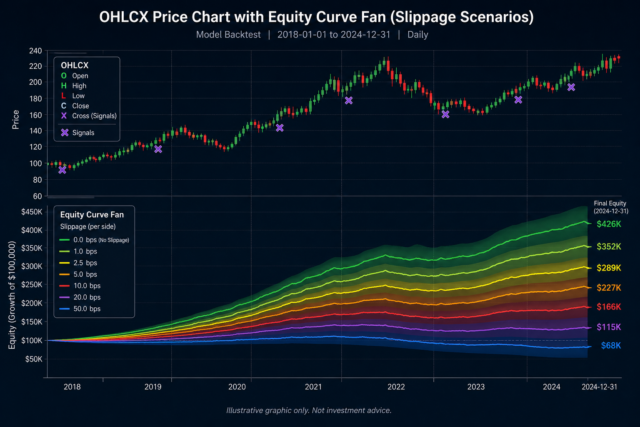
Backtesting Trading Strategies: Connect the Model to the Live Ticket
Stress backtests with realistic slippage, partial fills, short borrow, and latency assumptions—so live execution tests process discipline, not fantasy fills. Read more
-
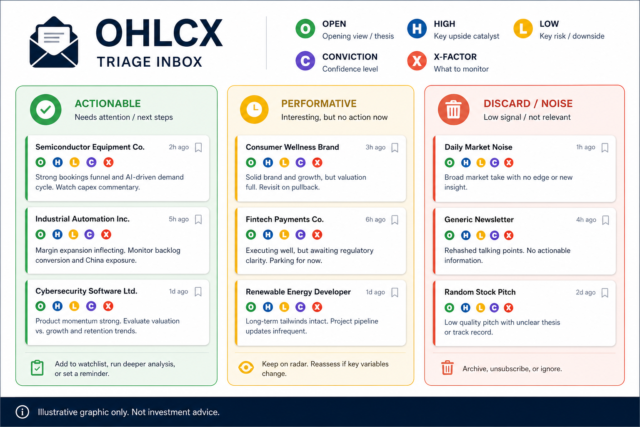
Social Media Trading Signals: Trade Your Plan, Not the Noise
Filter trading social feeds with falsifiable triggers, transparent risk sizing, and heat checks—convert posts into desk cues, not impulse orders. Read more
-
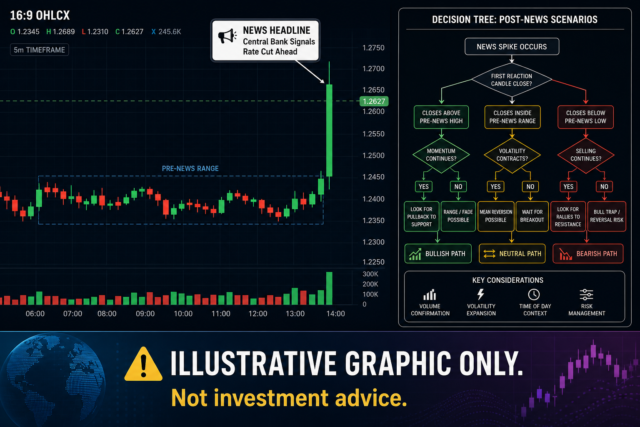
News Should Not Rewrite the Trading Plan
When headlines hit, read order state and portfolio heat first—use pre-written branches and brackets so speed serves the plan, not improvised risk. Read more
-
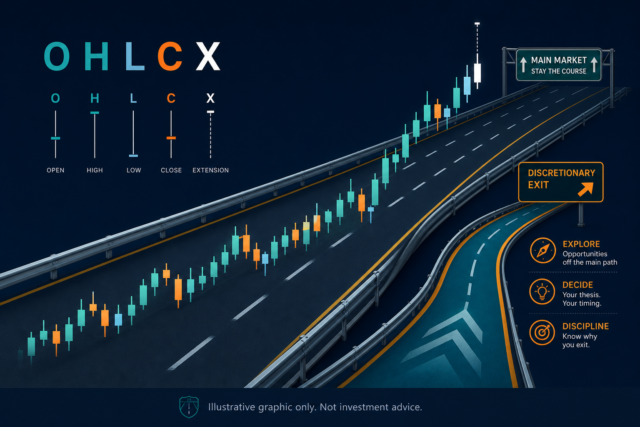
Playbooks vs Discretion: Where Rules Should Stay Rigid
Separate rigid playbook rules—risk caps and flatten triggers—from discretionary timing inside those rails for cleaner live execution reviews. Read more
-

Alerts Without Automation: Reduce Noise Before the Ticket
Cut alert noise with session filters, cooldowns, and explicit response protocols—protect attention without missing legitimate execution and risk signals. Read more
-
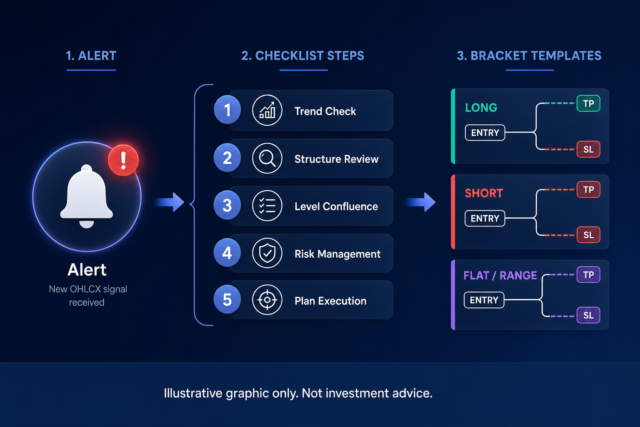
Turning Repeatable Alerts into Playbooks, Not Just Pings
Turn trading alerts into playbooks—define triggers, allowed actions, sizing, clocks, and invalidation so noisy pings become repeatable execution steps. Read more
-
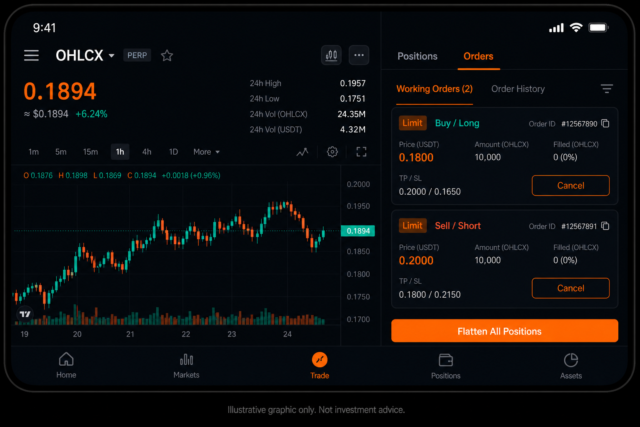
Mobile Execution: What to Defer and What Must Still Be Possible
Decide what mobile trading must handle—urgent flatten and cancels—and what to defer to the full desk so live execution, heat, and brackets stay deliberate. Read more
-
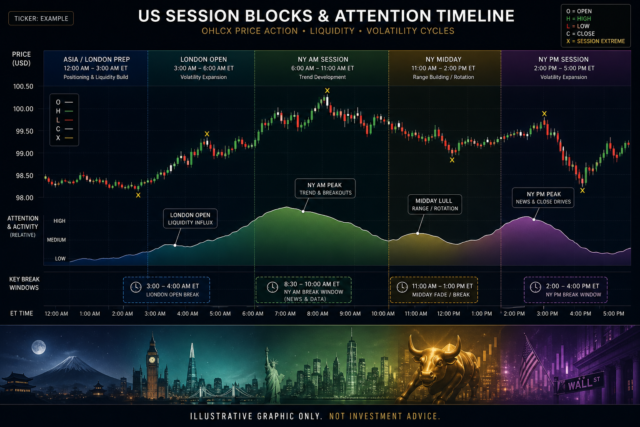
Fatigue and Session Design for Traders on U.S. Market Hours
Design trading sessions around attention budgets—scheduled breaks, block separation, and fatigue signals in logs—to protect live execution quality. Read more