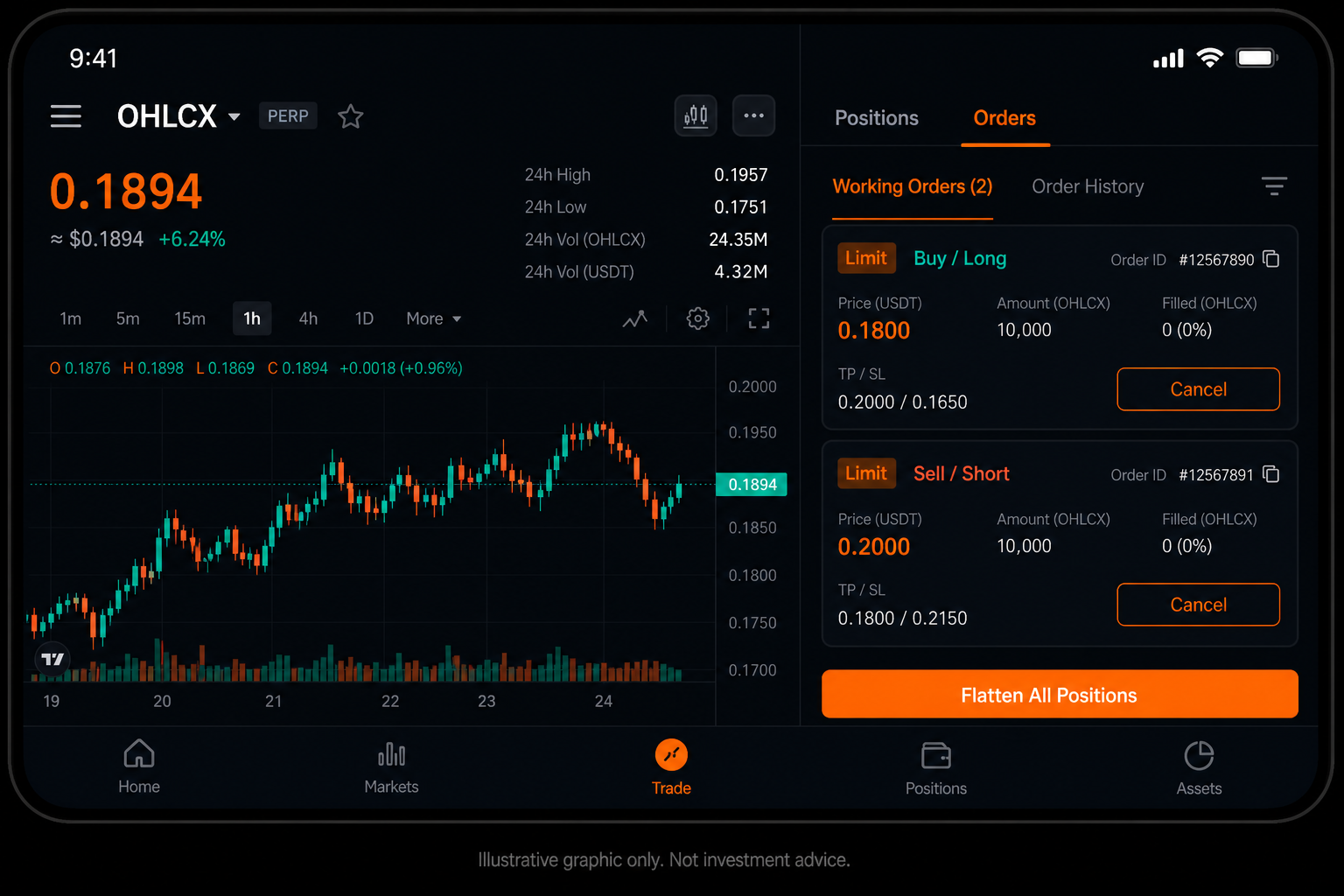
Mobile trading promises freedom and often delivers fat fingers. The device in your pocket can flatten risk or amplify it, and which one you get depends on whether you respect what a small touch screen does poorly: nuanced brackets, full order-state visibility, and calm portfolio math under stress. Experienced traders treat the phone as a constrained tool, powerful for hygiene and dangerous for invention.
The mistake is not using mobile. The mistake is deciding what mobile is for in the moment, with a position moving and a thumb hovering. The line between phone-safe and desk-required should exist before the day starts, written down like any other risk rule.
What mobile does well, and what it does poorly
Mobile is well suited to reducing urgency that already has a plan: closing a position per the playbook, cutting size with predefined clips, canceling stale limits, and verifying order state after a volatility spike. Every one of those actions executes a decision that was already made.
It is poorly suited to making new decisions under novelty: first-time entries at the top of your exposure limits, improvising a spread, or rescuing an asymmetric partial fill from a screen that hides half the picture. The pattern is consistent. Mobile handles execution of existing intent well and formation of new intent badly, because novelty plus small touch targets is where unforced errors come from.
When is it reasonable to open new risk from a phone?
Rarely, and only when three things are already true: the order structure is a template you have rehearsed, the catalyst is one you pre-qualified before leaving the desk, and your attention is actually available rather than split. If any layer of the mobile path differs from the desk version you know, whether that is hidden depth, slower cancels, or no view of portfolio exposure, size down or wait. A phone screen can also make spreads easier to underestimate, especially if you are looking at last price instead of the live book. When in doubt, the default is deferral, and the deferral needs no apology.
Run the parity check before you trust the phone
Before a maneuver earns mobile status, verify on a quiet day that the phone actually shows you what the maneuver requires:
- Can you see paired exit orders without digging through menus?
- Can you reduce a position with the remaining size and any related exit orders visible on the same screen?
- After a partial fill, can you see every resting child order without scrolling?
- Can you check overall exposure before adding anything new?
If any answer is no, that maneuver stays desk-bound by policy, not preference. The point of the check is to make the mobile boundary an observed fact about your tools instead of an opinion about your discipline.
Partial fills are the hardest mobile case
A partial fill quietly converts your planned position into a different one, and mobile is where that conversion is easiest to miss. One leg completes while another rests, a remainder stop sits behind a collapsed drawer, and the screen shows a tidy P&L number over an untidy order state. Treat any unexpected partial fill as a desk-mandatory event unless your mobile view exposes the complete picture. And when you cannot verify, reduce. Shrinking a position you half-understand is a decision; hoping it resolves is not.
Context can disqualify the phone entirely
Driving, walking through a crowd, or a household in full noise are not trading venues, no matter what the chart is doing. If you cannot give the order state real attention, mobile is offline regardless of opportunity, and that call gets made ahead of time, not at a red light. The one exception cuts the other way: never defer an urgent risk cut that your invalidation rule demands. A clumsy flatten beats a clever deferral that becomes a gap story. For everything else that sparks on a phone, log the idea and execute at the desk if it still holds up. The market regenerates opportunities. It rarely regenerates accounts.
Write the mobile rules down
Undocumented exceptions become creeping exceptions, so the mobile policy belongs in the playbook as its own short section: maximum size and dollar caps for phone orders, the actions that are never mobile, and a mandatory reconciliation at the desk afterward, verifying order state and journal entries rather than glancing at P&L color. Date the exceptions and give them an expiry. If an exception survives a quarter without review, either formalize it or delete it.
How OHLCX supports the mobile boundary
Most of a good mobile policy is actually built at the desk, and that is where OHLCX fits. Exits like OCO, TSP, and TRIM can be selected before the order goes live, which means time away from the desk starts from positions that already have exit logic defined instead of depending on your thumbs to add it later. The expiry order time limit can help keep a working order from sitting stale through hours when you are not watching it. Risk Gauge visibility gives you an exposure reference before you step away, and the order history, with timestamps on orders and fills, gives the post-mobile reconciliation a record to start from when you are back. OHLCX does not decide which maneuvers belong on your phone. It helps the trader structure positions deliberately before stepping away from the desk.
Decide at the desk what the phone is for
The phone earns a place in the workflow when its job description is short: reduce, verify, and execute what was already planned. Everything inventive waits for the screen and the attention it deserves. Explore OHLCX to see how exits chosen before the send, expiry limits on working orders, and a reviewable order history can make time away from the desk something the plan already accounts for.
Leave a Reply