Search results for: “explore ohlcx execution features”
-
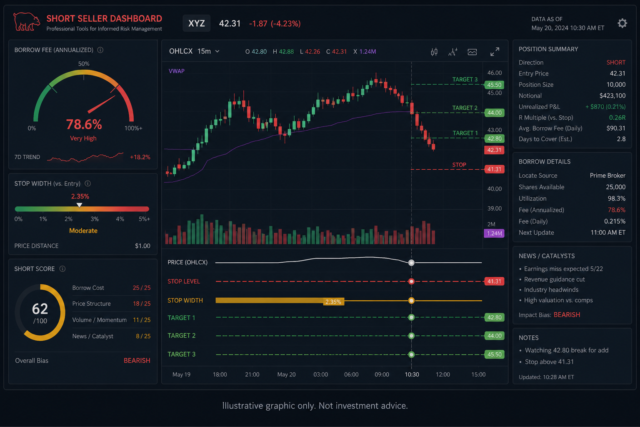
Multi-Leg Fills: Why Process Matters Before Execution
Multi-leg spreads fail via leg risk and partial fills. Automate repeatable structures, refresh templates after regimes, reserve manual legging wisely. Read more
-
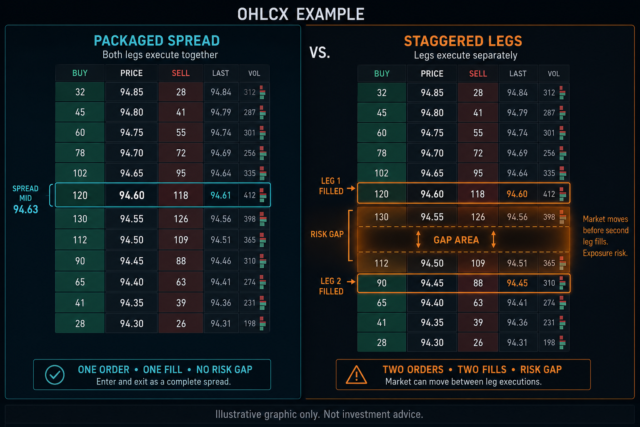
Options vs. Equities: Why Execution Risk Is Different
Options execution differs from equities: leg risk, gamma, skew, and spread width. Ticket honestly, automate repeats, bracket real failure modes. Read more
-
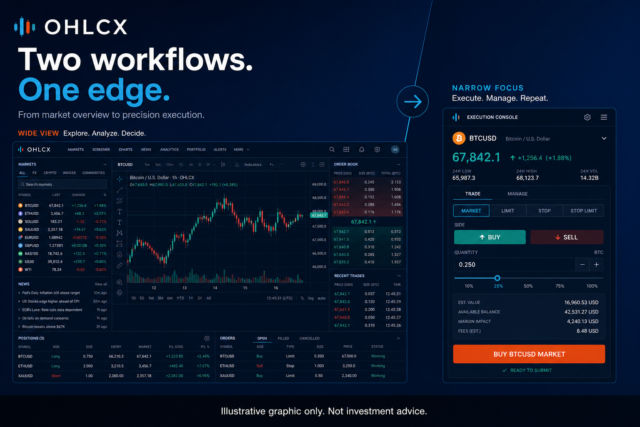
Broker-Native Tools vs a Dedicated Execution Layer
Broker-native tickets vs a dedicated execution layer: when OCO, OTOCO, heat checks, and structured entry justify OHLCX-style specialization. Read more
-
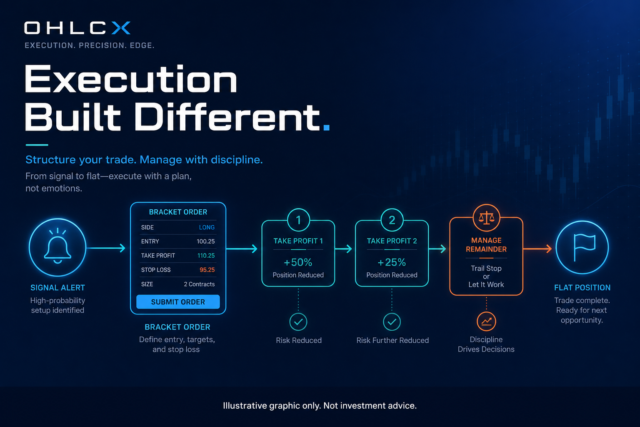
Trade Execution Workflow: Why the Ticket Is the Real System
A trade execution workflow connects structured entries, paired exits, and portfolio heat—going beyond indicators and journaling for active traders. Read more
-
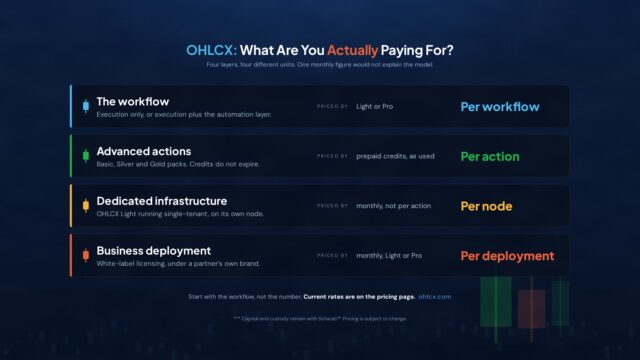
Trading Platform Pricing: What Are You Actually Paying For?
Two traders can use the same trading platform very differently. One may primarily need a better way to build orders, manage exits, and work with a connected brokerage account. Another may rely on automated strategies, signals, and market analysis throughout… Read more
-
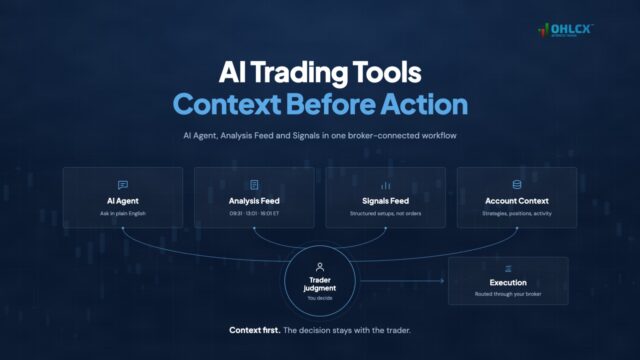
AI Trading Tools: Context Before Action
Active traders do not need another source of generic market commentary. They already have charts, news, scanners, alerts, watchlists, social feeds, and more opinions than they could reasonably process during a trading session. Adding AI to that mix only helps… Read more
-
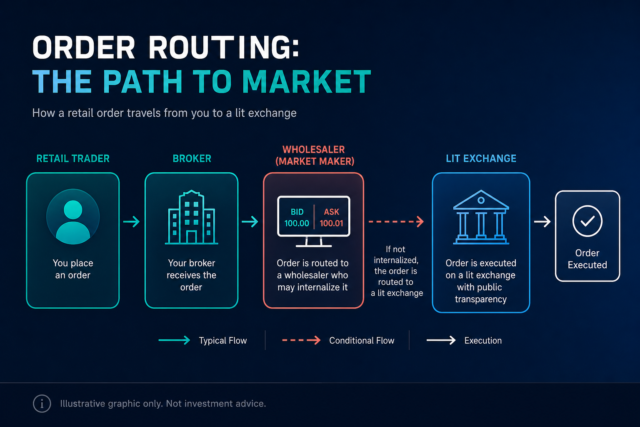
Dark Pools and Retail Routes: What You Can and Cannot Control
Focus on controllable execution—size, limits, time-in-force, and slippage logs—while treating dark pools and retail routes with measured engineering realism. Read more
-
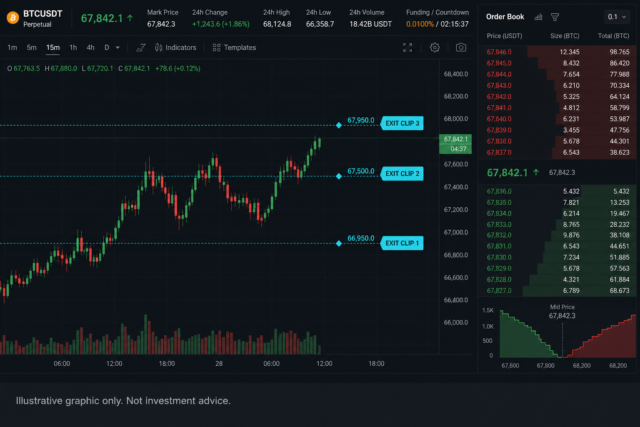
Liquidity Maps: Build the Exit Around the Price Band
Read depth and spreads before exit clips—map liquidity terrain, respect correlated clusters, and journal realized fills instead of hypothetical tops. Read more
-
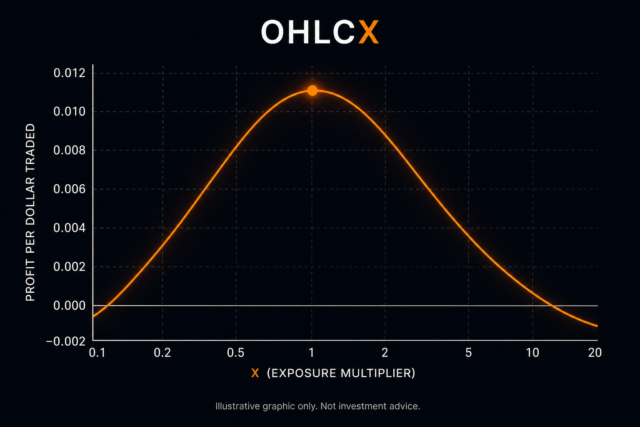
Capacity and Exposure: Where a Trading Edge Starts to Thin
Track strategy capacity with participation, slippage, and borrow ceilings—stair-step size with rules so scaling preserves honest playbook assumptions. Read more
-
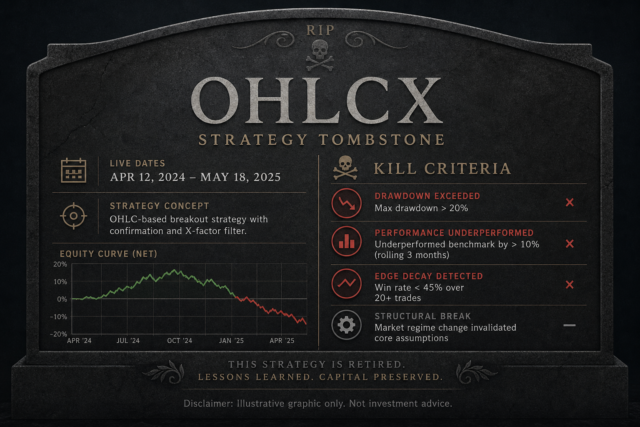
When a Trading Strategy Stops Working: Pause, Revise, or Retire
Retire strategies when slippage, forward windows, and borrow fail kill tests—pause, archive playbooks with metrics, redeploy capital without nostalgia. Read more